nOa Climate GmbH, a new member of RETech based in Hamburg, develops a decentralized micro-biogas system called the nOa One. The system converts organic residues into renewable biogas and nutrient-rich organic fertilizer directly where the waste is generated. By recovering resources locally, the company aims to reduce emissions, strengthen local resilience, and create environmental, social and economic value. Its flagship partnership with Biofranca in Western Kenya has built a pipeline of approximately 750 prospective participants and is preparing an initial implementation phase of 150 systems.
What Does nOa Climate Do?
nOa Climate develops the nOa One, a decentralized micro-biogas system designed for households, farms, businesses and institutions. The system transforms organic residues at their source into two valuable outputs: renewable biogas and nutrient-rich organic fertilizer.
nOa Climate was built around a simple observation. Across the world, millions of tonnes of organic waste are still treated as a disposal problem, while the same material could be recovered as a valuable resource. At the same time, energy costs are rising, soil quality is declining, and pressure to reduce greenhouse-gas emissions continues to grow. The company believes these challenges are closely connected and that one local system can help address several of them simultaneously.
How the nOa One Converts Organic Residues Into Valuable Resources
The concept is straightforward. Organic residues go into the system and are transformed into renewable biogas and nutrient-rich organic fertilizer directly where they are generated.
By recovering resources locally, the nOa One helps create value from materials that are often treated as waste. The resulting biogas can support household energy needs, while the fertilizer can help improve agricultural productivity by returning nutrients to the soil.
Why Decentralized Resource Recovery Matters

Large centralized facilities remain essential, particularly for cities and industrial waste streams. But they often require substantial investment, long development periods, and complex collection and transport systems.
nOa Climate believes a significant opportunity lies in decentralized circular infrastructure. Rather than transporting low-value organic waste over long distances, resources can be recovered where they are generated, creating environmental, social and economic value locally.
nOa Climate believes this is one of the sector’s most underestimated opportunities. Organic waste should not only be viewed as a waste stream. It is also a source of renewable energy, soil nutrients, climate mitigation and local economic development. The circular economy becomes more effective when these benefits are integrated into one operating model rather than addressed through separate projects and technologies.
The Biofranca Kenya Programme: 750 Participants, 150 Systems
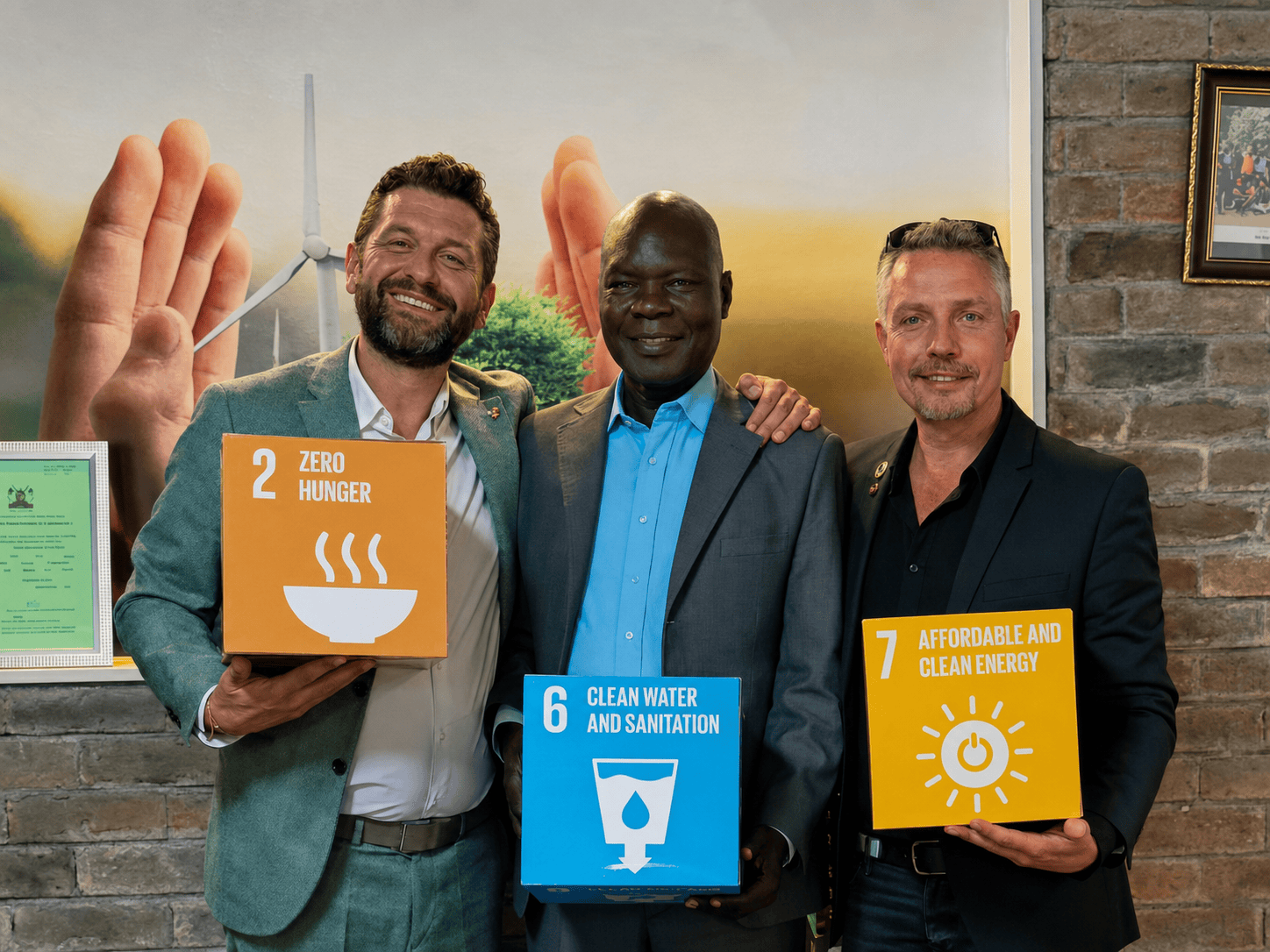
nOa Climate’s strongest field example so far comes from Western Kenya, in partnership with Biofranca. The programme targets farming households, women’s groups and rural communities across several counties. It has built a pipeline of approximately 750 prospective participants, with an initial implementation phase structured around 150 nOa One systems.
The system’s modular and standardized design is what makes that scale possible. Because every nOa One follows the same approach, Biofranca can assess households, prepare sites, train technicians and plan deployments through a repeatable process rather than treating each installation as a separate project. That repeatability helps transform demonstration projects into a scalable regional programme.
What the Financing Model Looks Like
Standardization also changes the conversation with banks and financing partners. Instead of evaluating an abstract environmental concept, they can assess defined product packages supported by standardized costs, installation procedures and expected user benefits.
For participating households, locally available organic residues can be converted into renewable cooking gas and organic fertilizer, reducing dependence on purchased fuels and firewood while supporting agricultural productivity. Surplus fertilizer or productive uses of energy can also create additional income opportunities.
For development organizations and sustainability partners, the same project demonstrates something broader: a single investment can deliver waste-management, energy, agricultural, climate and social benefits within one integrated model.
The Underestimated Opportunity in Green Tech: Decentralized Circular Infrastructure
Much of the current discussion around the circular economy still focuses on large centralized facilities. While these remain important, nOa Climate believes modular local solutions represent a major opportunity that is often overlooked.
These systems can be deployed comparatively quickly and begin creating value directly where waste is generated. Rather than replacing centralized infrastructure, they complement it by recovering resources locally and turning organic residues into productive assets.
Why nOa Climate Joined RETech

nOa Climate joined RETech to connect with a wider network shaping resource management, environmental technology and the circular economy internationally.
The company is looking to contribute its expertise in decentralized organic-waste utilization while collaborating with partners who share the ambition of developing practical, scalable and economically viable circular solutions. It is particularly interested in working with technology providers, project developers, research institutions, development organizations and financing partners that can help translate innovative environmental technologies into sustainable projects and commercial applications.
Climate change, resource scarcity and waste management cannot be solved by individual companies acting alone, in Storbeck’s view. They require strong partnerships across sectors and borders, which is exactly the type of collaboration RETech is designed to support.
Key Facts
- Company: nOa Climate GmbH, headquartered in Hamburg, Germany
- Product: The nOa One, a decentralized micro-biogas system producing renewable biogas and nutrient-rich organic fertilizer at the source
- Field Programme: Partnership with Biofranca in Western Kenya, approximately 750 prospective participants and 150 systems in the initial implementation phase
- Position: Decentralized circular infrastructure that recovers resources locally and creates environmental, social and economic value